
The Great Fabric Debate — Settled Once and For All
You want to wear natural fabrics. You care about comfort, your skin, and probably the environment too. But when you walk into a store — or browse online — you’re hit with the same three options: cotton, linen, and khadi.
They all sound natural. They all claim to be breathable. So what’s the real difference? And which one is truly best for Indian weather, sensitive skin, and everyday wear?
Let’s break it down — honestly, clearly, and without the marketing fluff.
1. How They’re Made — And Why It Matters
Cotton (Machine-Made)
When most people say “cotton,” they mean commercially produced, mill-woven cotton. The raw fibre is harvested (often from genetically modified plants), processed in factories, bleached, dyed with synthetic chemicals, and finished with softeners, anti-wrinkle agents, and sometimes even formaldehyde.
The result? A fabric that looks soft and feels smooth — but has been through over 8,000 chemical processes before reaching your wardrobe.
Linen (Machine-Made from Flax)
Linen is made from the flax plant. It’s one of the oldest textiles in the world and is known for its crisp texture and elegant drape. However, most linen available in India today is imported and factory-processed. The weave is tight and uniform, giving it a polished look — but at a higher price point and with chemical finishing still in play.
Khadi (Handspun, Handwoven)
Khadi is cotton (or sometimes silk or wool) that is hand-spun on a charkha and hand-woven on a traditional loom. There are no machines, no factories, and — in the case of Feel Khadi — absolutely zero chemicals. No synthetic dyes, no bleach, no formaldehyde, no softeners.
This isn’t just a fabric choice. It’s a fundamentally different approach to clothing.
2. Breathability — Which Keeps You Coolest?
| Feature | Cotton | Linen | Khadi |
|---|---|---|---|
| Air circulation | Medium | Good | ⭐ Excellent |
| Moisture absorption | Moderate (8-10%) | High (12-15%) | ⭐ Very High (up to 20%) |
| Quick drying | Slow | Fast | ⭐ Fast |
| Feels cool in summer | Okay | Good | ⭐ Best |
The winner: Khadi’s hand-woven structure creates natural micro-pockets of air within the fabric. Unlike the tight, uniform weave of machine-made cotton or linen, khadi allows air to flow freely against your skin. This is why khadi feels cooler than both cotton and linen in the Indian summer heat.
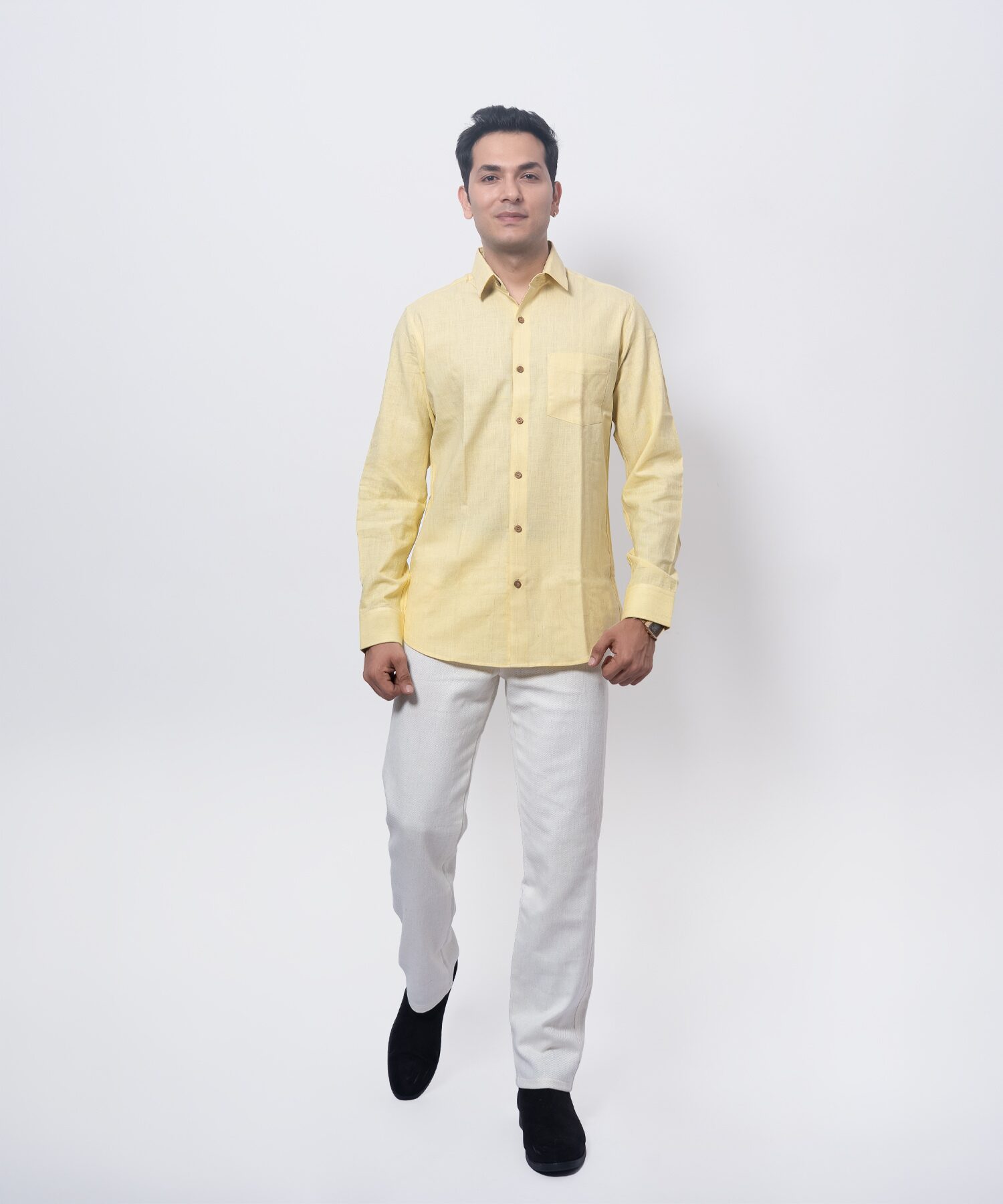
Try it yourself — wear a Feel Khadi Haldi Shirt on a 40°C day and feel the difference.
3. Skin Safety — Which Is Safest for Sensitive Skin?
This is where the differences become dramatic.
- Machine-made cotton contains residual chemicals from processing — synthetic dyes, bleach, formaldehyde-based anti-wrinkle finishes. These are the hidden culprits behind summer rashes, allergic reactions, and skin irritation. Children and people with eczema or sensitive skin are especially vulnerable.
- Linen is better than commercial cotton, but most linen is still factory-processed with chemical dyes and finishes. Unless you’re buying certified organic linen (which is rare and expensive in India), you’re still exposed to processing chemicals.
- Khadi from Feel Khadi is 100% chemical-free. No synthetic dyes. No bleach. No softeners. No formaldehyde. Our tagline says it all: “Sorry — We Are Chemical Free.” It’s naturally hypoallergenic and safe for even the most sensitive skin — including newborns.
If you have a baby or toddler, explore our New Born Essentials collection — designed specifically for delicate newborn skin.
4. Durability — Which Lasts Longer?
| Feature | Cotton | Linen | Khadi |
|---|---|---|---|
| Lifespan with regular use | 1-2 years | 3-5 years | ⭐ 5-10 years |
| Gets softer with washing | No (fades/thins) | Yes | ⭐ Yes (remarkably) |
| Colour retention | Fades quickly | Good | ⭐ Natural tones — no fading |
| Wrinkle resistance | Moderate | Low (wrinkles easily) | Low-Moderate |
Here’s a secret most fabric brands won’t tell you: khadi actually improves with age. Each wash makes the fibres softer and more comfortable. A khadi shirt you’ve worn for 3 years will feel better than the day you bought it. Machine-made cotton, by contrast, thins out, pills, and loses its shape.
Linen also ages well, but it wrinkles more easily and can feel stiff compared to khadi’s soft, lived-in texture.
5. Sustainability — Which Is Kindest to the Planet?
| Impact | Cotton | Linen | Khadi |
|---|---|---|---|
| Electricity in production | High | Medium | ⭐ Zero |
| Carbon footprint | Very High | Medium | ⭐ Minimal |
| Water usage | Very High | Low-Medium | ⭐ Low |
| Supports artisans | No (factory jobs) | No (mostly imported) | ⭐ Yes (rural livelihoods) |
| Biodegradable | Partially (if no synthetics) | Yes | ⭐ 100% Yes |
The fashion industry is responsible for 10% of global carbon emissions — more than all international flights and maritime shipping combined. Every khadi garment is a direct vote against this system.
Khadi production uses zero electricity (hand-spun, hand-woven), supports rural artisan communities across India, and is 100% biodegradable. No fabric on earth has a smaller environmental footprint.

6. Style & Versatility — Can Khadi Actually Look Modern?
This is the question we hear most — and the answer is a resounding yes.
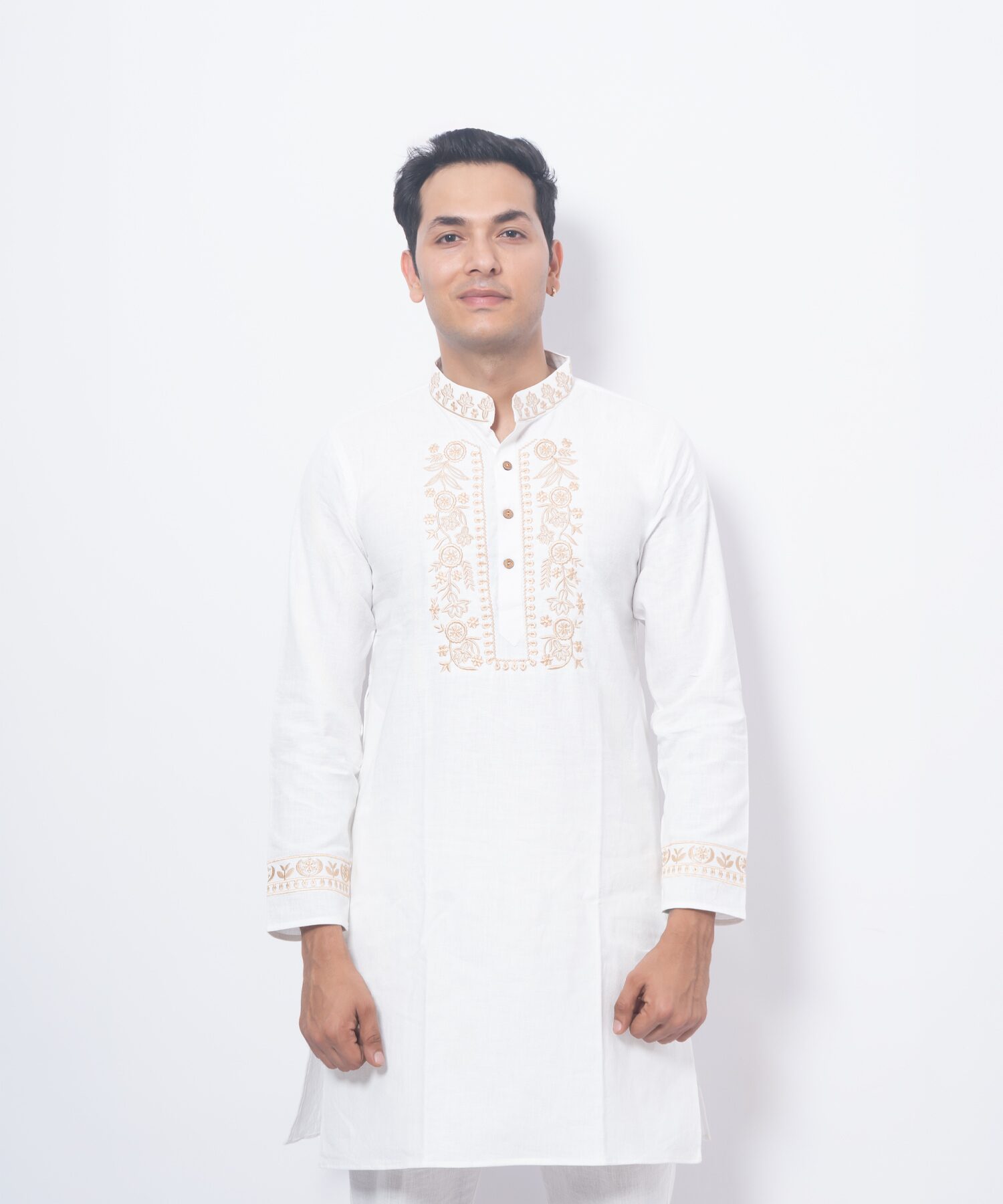
Gone are the days when khadi meant rough, shapeless kurtas. Modern khadi — especially at Feel Khadi — comes in refined silhouettes, elegant embroidery, and versatile designs that work for every occasion:
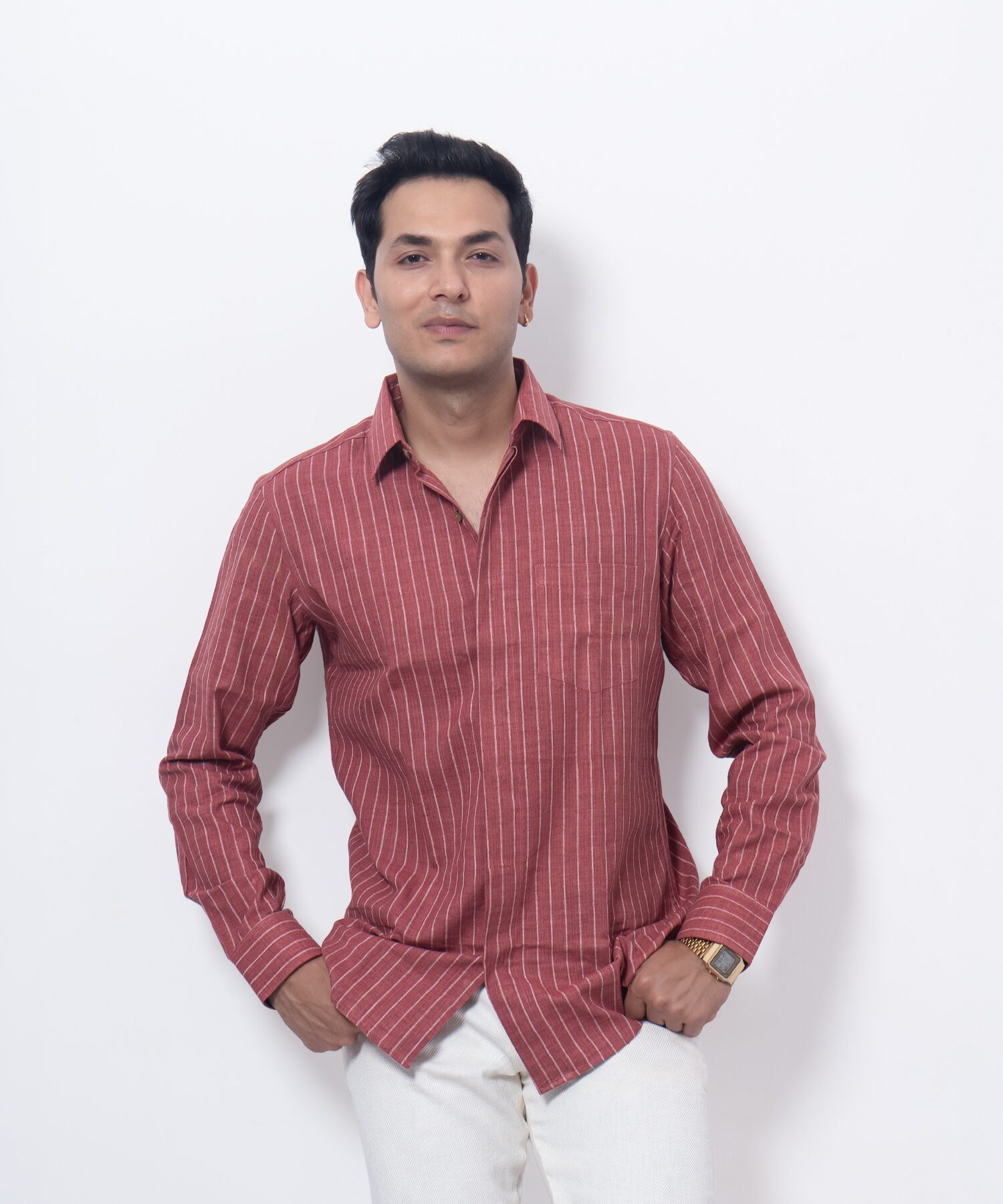
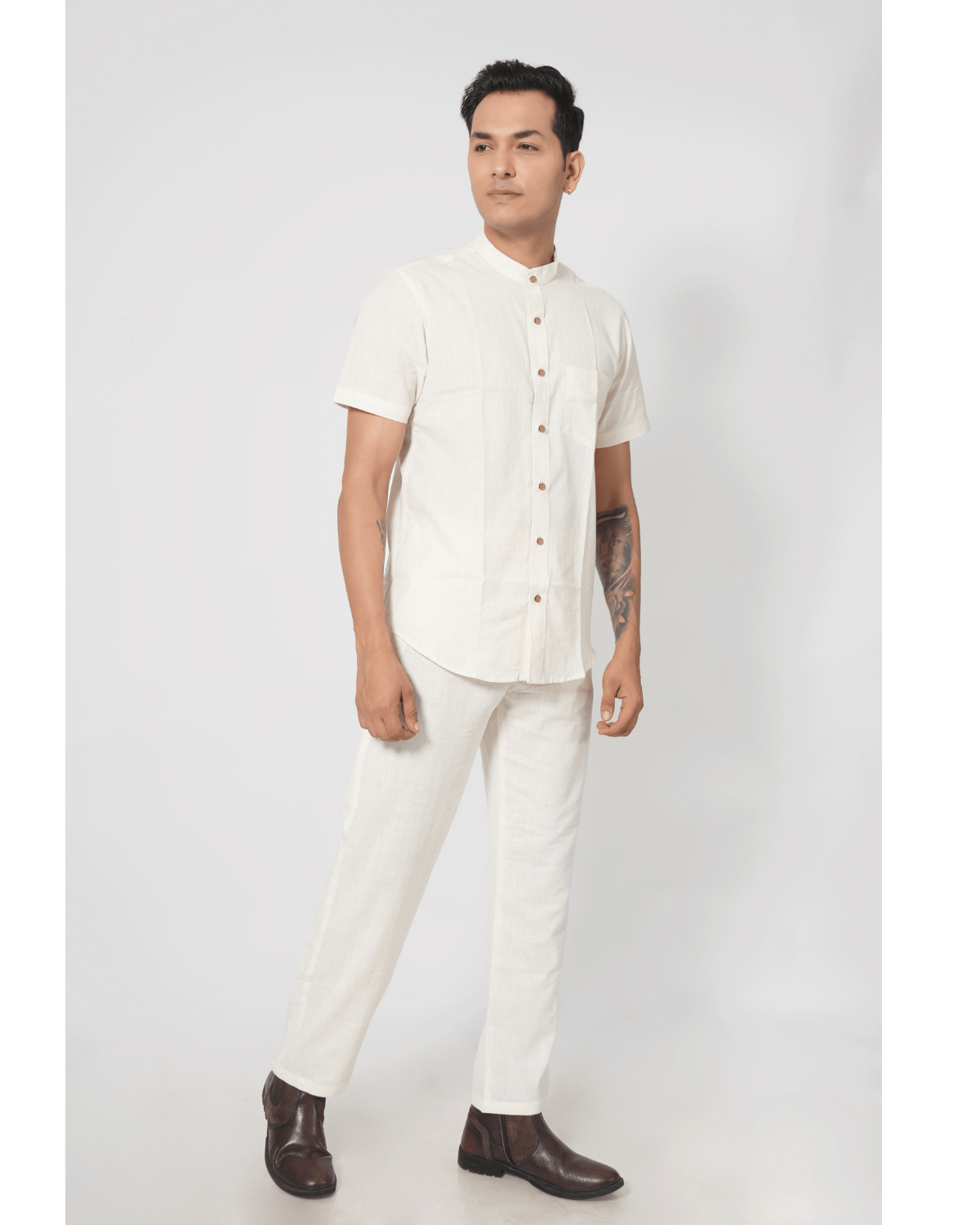
- Office wear: The White Stand Collar Shirt or Signature Stripe Shirt — clean, professional, breathable
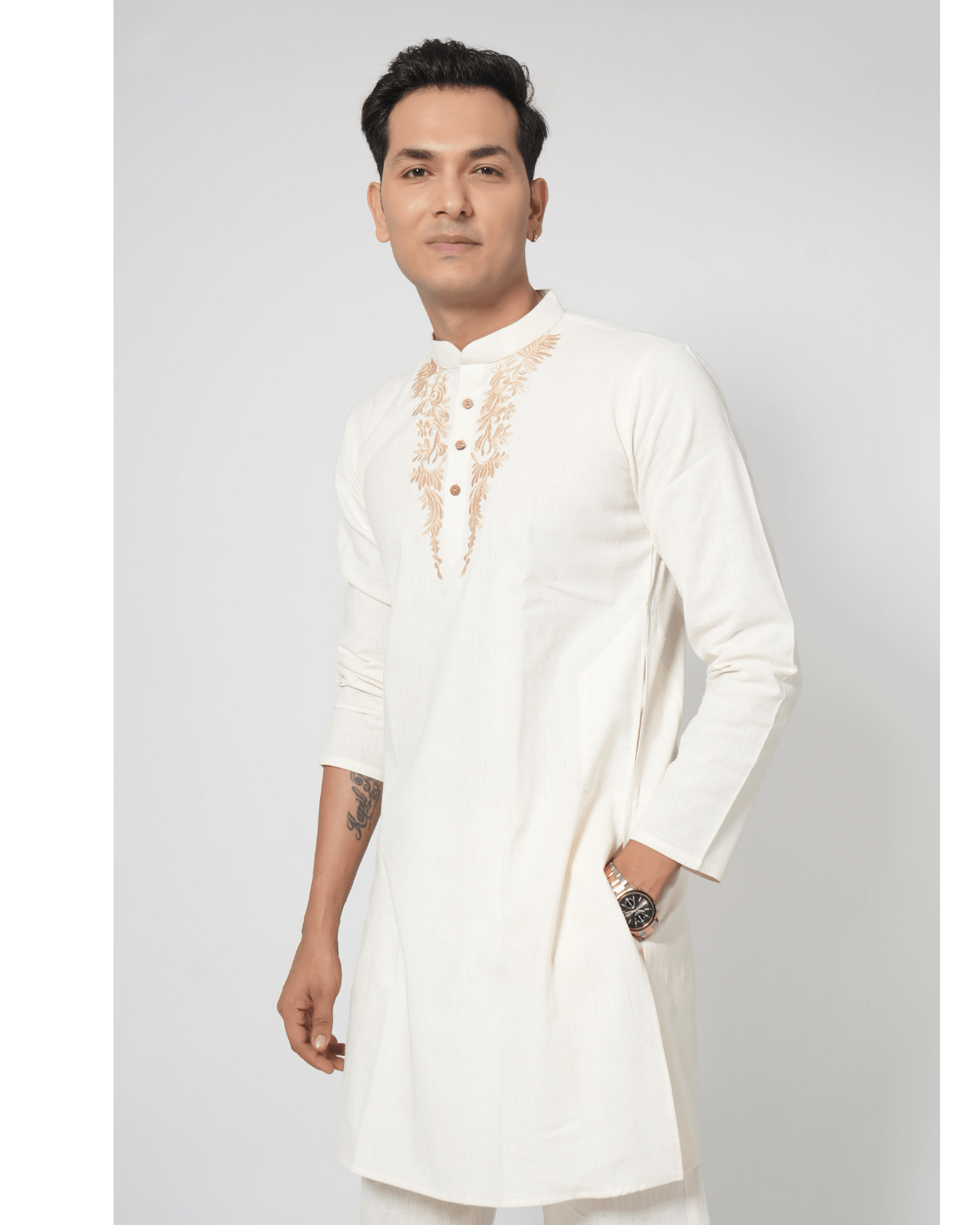
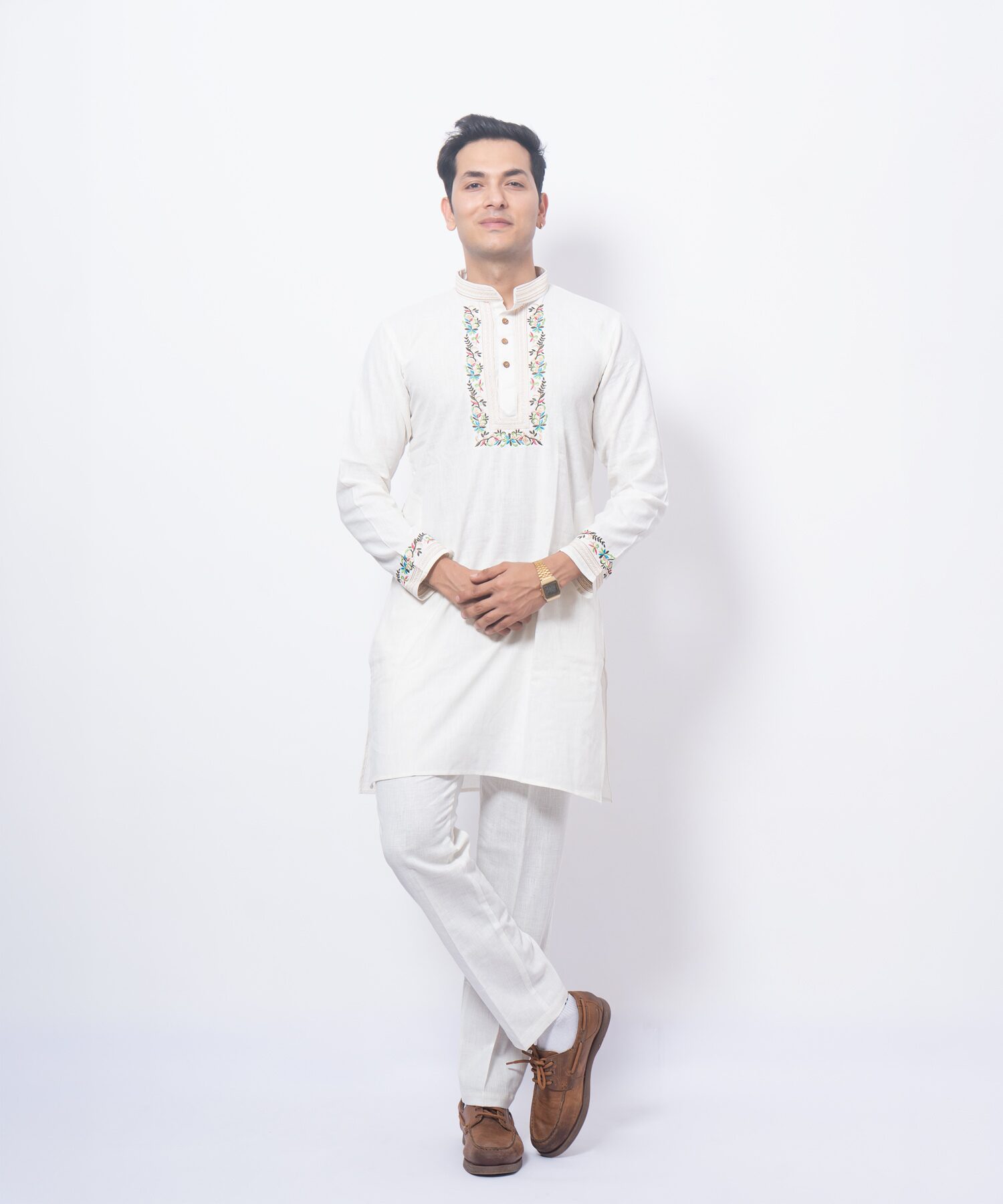
- Festive occasions: The Phool Rang Embroidered Kurta Set — elegant enough for any celebration
- Smart casual: Layer the Elegant White Embroidered Koti over a plain shirt for instant sophistication
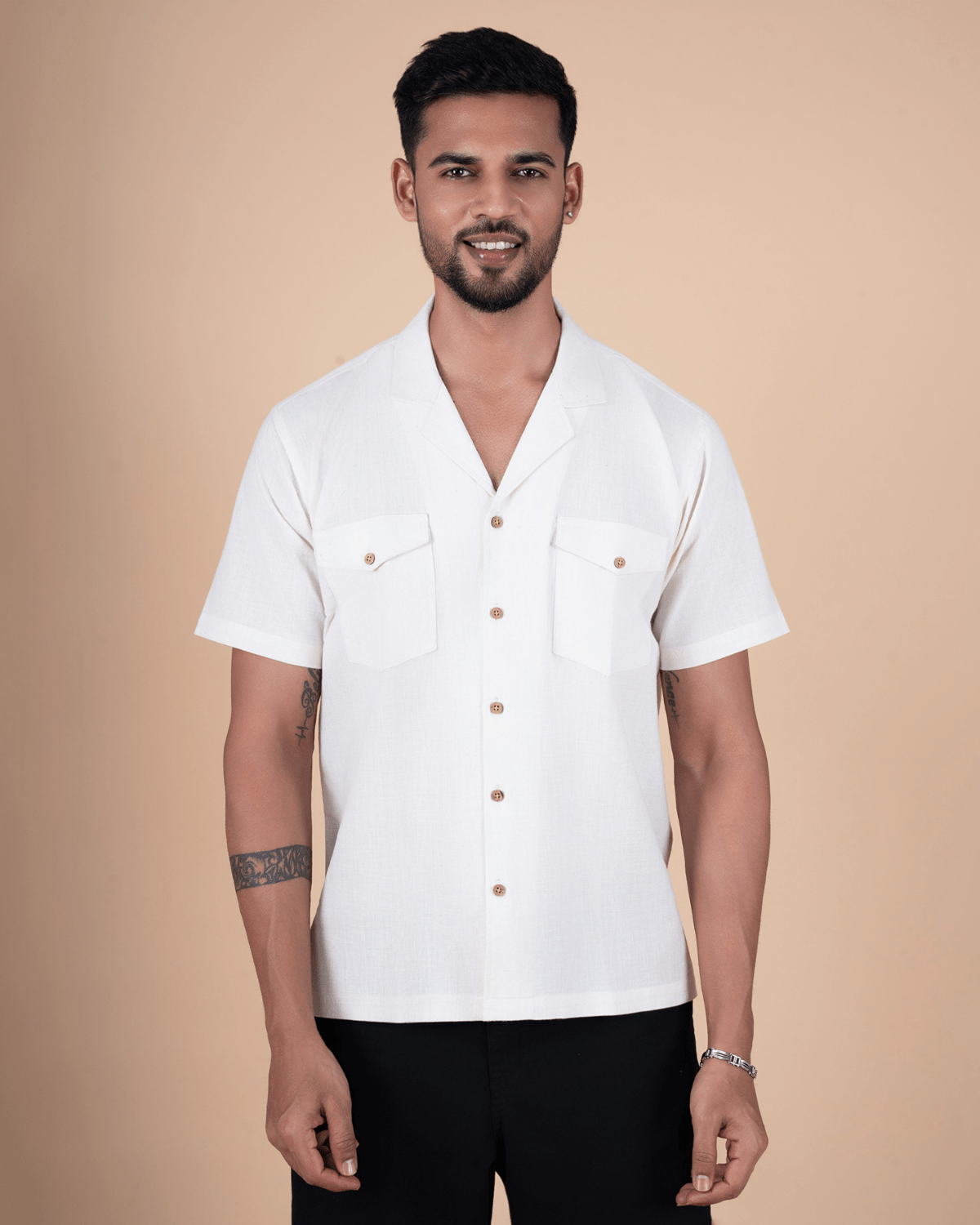
- Weekend comfort: The Natural Raw Double Pocket Shirt — relaxed and effortlessly cool
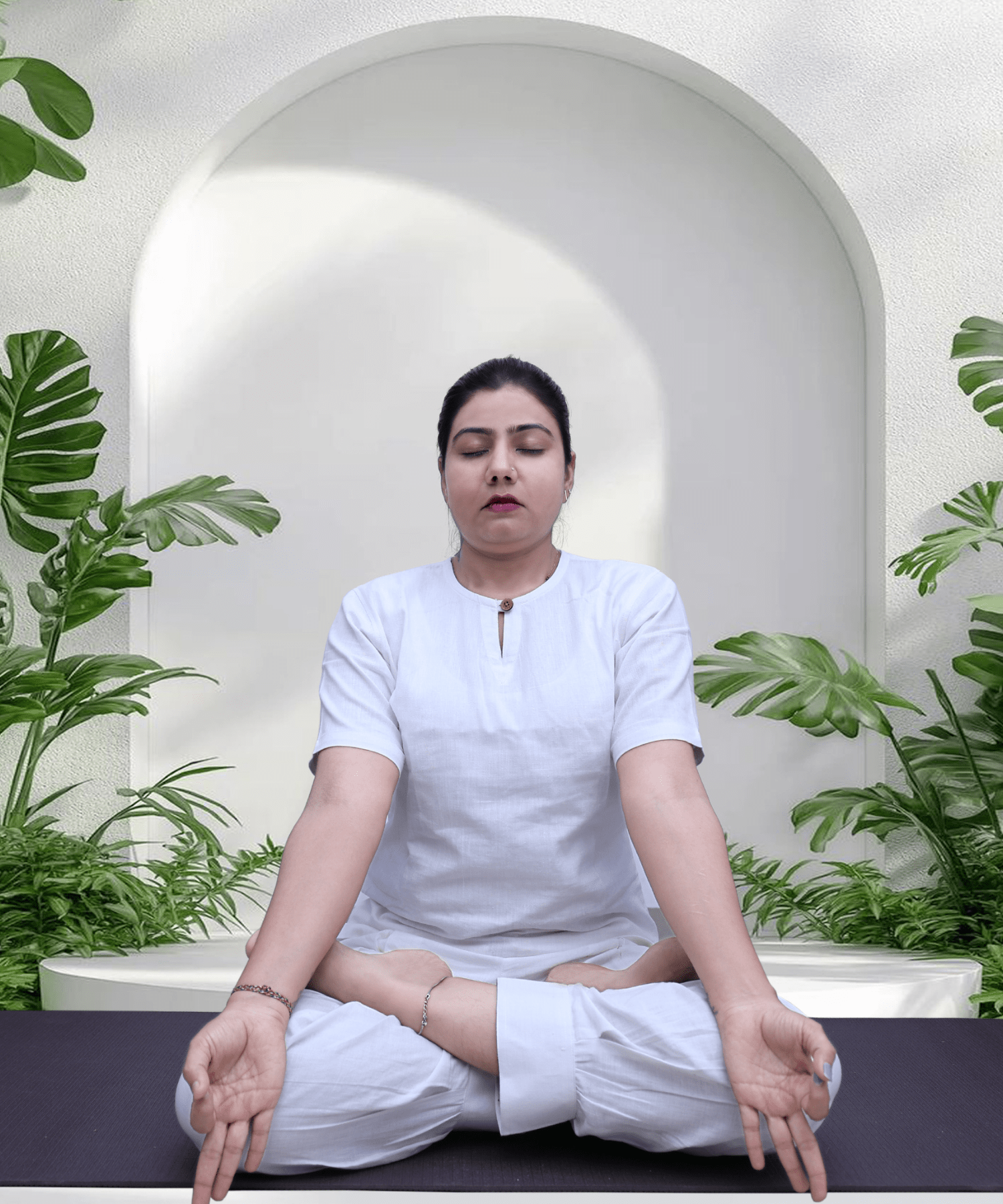
- Yoga & wellness: Our Yoga Wear collection — sattvic, natural, perfect for mindful movement
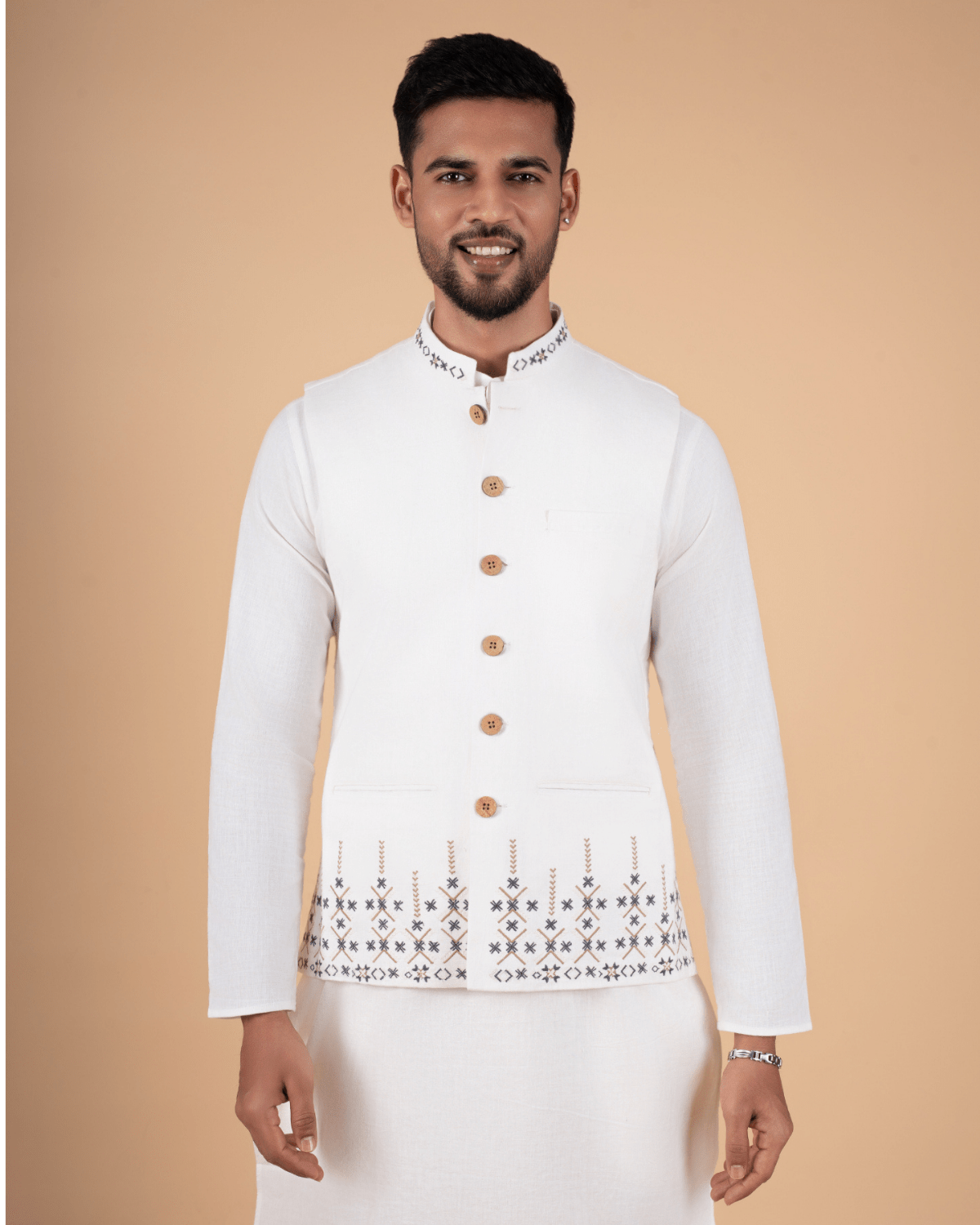
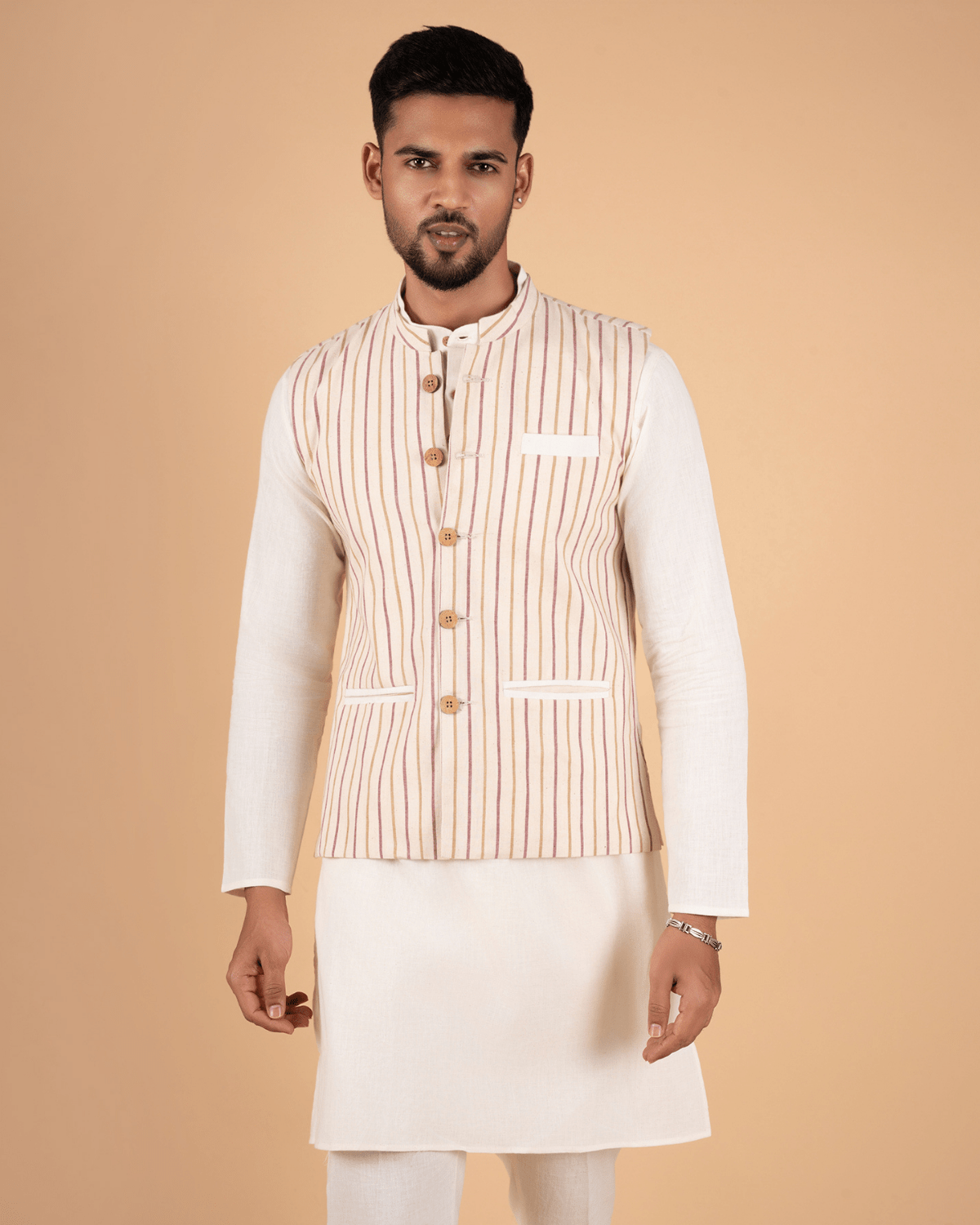

Linen can match khadi on formal aesthetics, but it wrinkles within an hour and costs 2-3x more for imported varieties. Cotton is versatile but lacks the character and texture that makes khadi stand out.
7. Price — Is Khadi Expensive?
Here’s where things get interesting. Let’s talk cost per wear, not just sticker price.
- A ₹500 machine-made cotton shirt lasts 50-80 washes before it starts looking worn. Cost per wear: ₹6-10
- A ₹2,000 linen shirt lasts 200+ washes and improves with age. Cost per wear: ₹10
- A khadi shirt from Feel Khadi lasts 300-500+ washes, gets softer every time, and never goes out of style. Cost per wear: ₹3-5
Khadi is the most economical natural fabric when you factor in longevity. You buy less, each piece lasts longer, and you never have to worry about chemicals touching your skin.
The Verdict: Which Should You Choose?
| Choose this if… | Best Fabric |
|---|---|
| You want the cheapest option right now | Cotton |
| You want a crisp, formal Western look | Linen |
| You want the coolest fabric for Indian summers | ⭐ Khadi |
| You have sensitive skin or allergies | ⭐ Khadi |
| You want the best value for money (long-term) | ⭐ Khadi |
| You care about sustainability | ⭐ Khadi |
| You want clothing safe for your kids | ⭐ Khadi |
| You want fabric that improves with age | ⭐ Khadi |
Cotton has its place. Linen has its charm. But when you weigh comfort, safety, durability, sustainability, and value — khadi wins across the board.
Ready to Make the Switch?
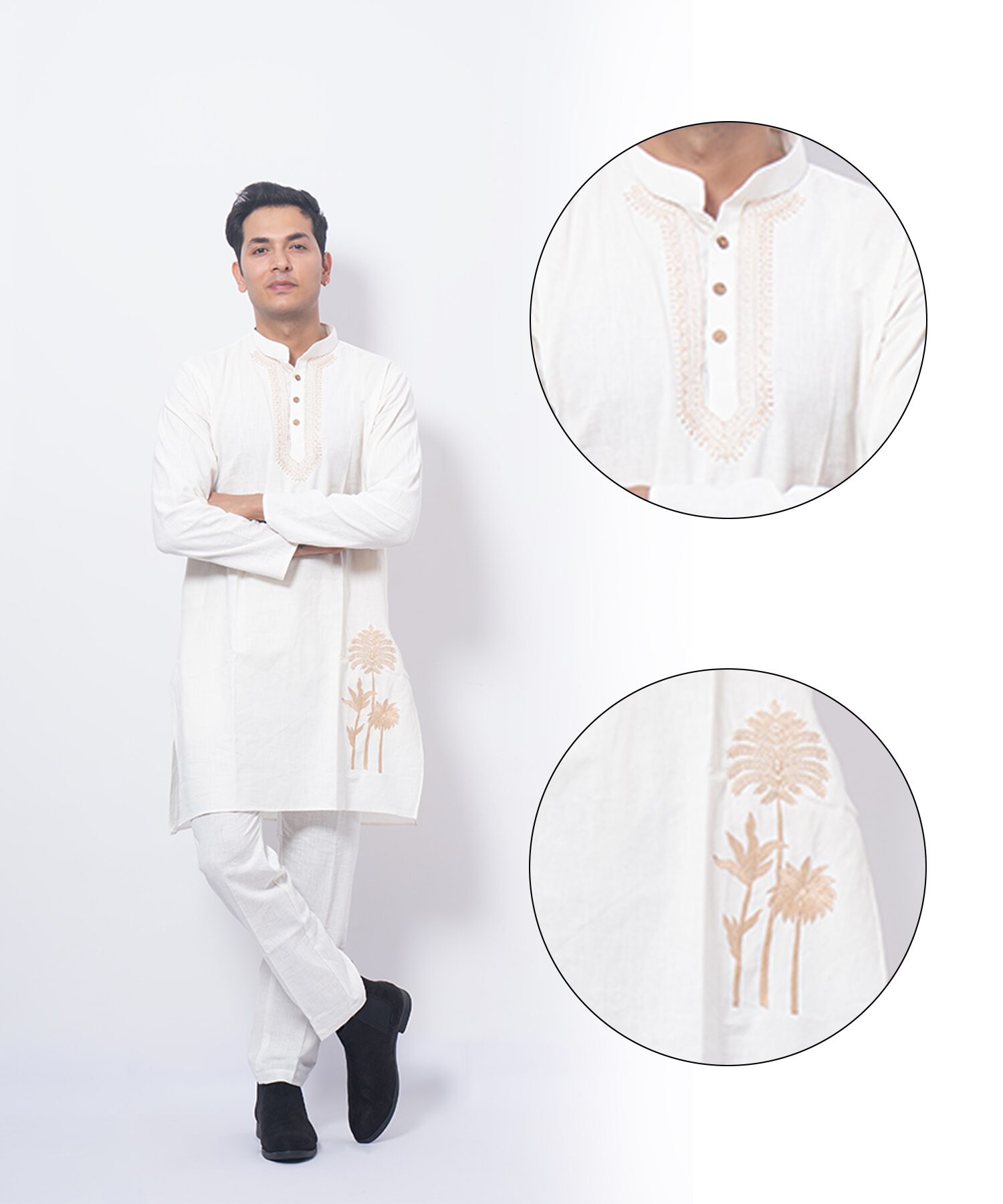
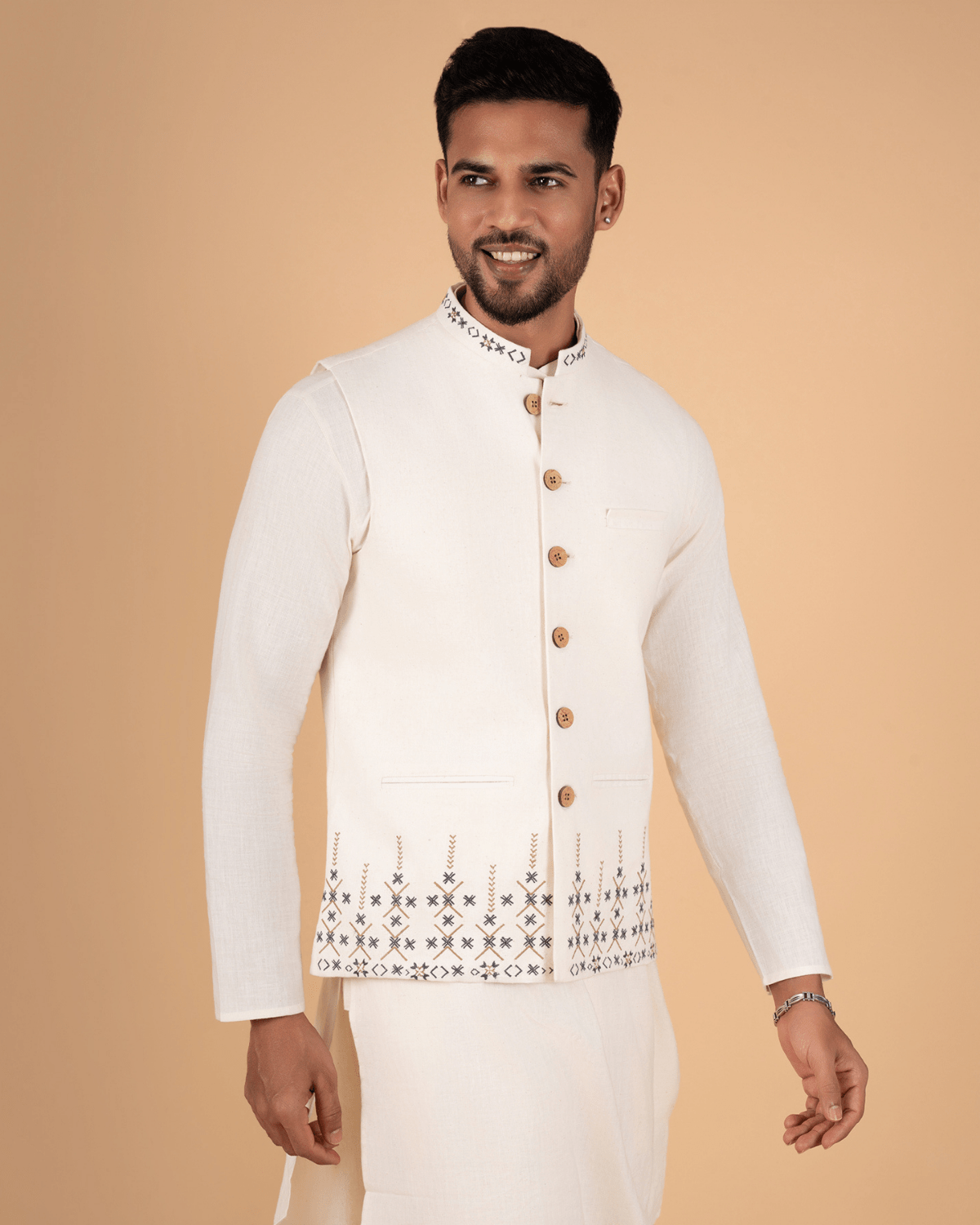
At Feel Khadi, every piece is 100% handmade, 100% chemical-free, and crafted with love by Indian artisans. From men’s shirts and kurtas to kids’ wear and yoga wear — we’ve got your entire wardrobe covered.
Browse the full collection at feelkhadi.com and feel the difference that real, honest fabric makes.
Have questions about khadi care, sizing, or fabric? WhatsApp us — we’re happy to help!
